Preventing Mother To Child
Transmission (pMTCT) of HIV
Our Mission
Eliminating Pediatric AIDS in China
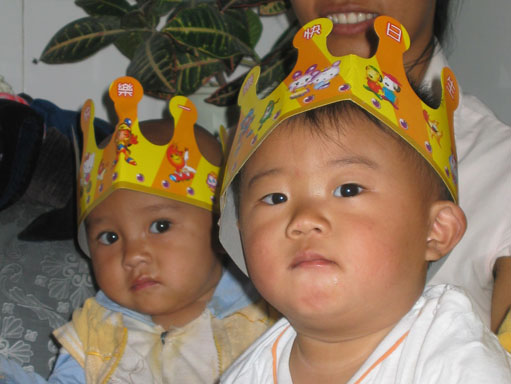
Babies in the pMTCT program celebrate their fi rst birthdays.
The China AIDS Initiative is building a comprehensive pMTCT program, working with local healthcare authorities to provide treatment, care and supporting social services in Yunnan province. With support from philanthropists and overseas friends from all sectors of society, CAI has partnered with Dr. Zhou Zengquan at the Yunnan AIDS Initiative to conduct a range of testing and treatment interventions.
The pMTCT program identifies HIV+ pregnant women using the most effective testing methodologies, and provides them with antiretroviral treatment and maternal-child health services. CAI builds local capacity to prevent mother to child transmission by training health workers in prevention and treatment best practices. The project has doubled the number of active counties in 2010 from 13 to 26 of Yunnan's highest prevalence areas, many of which lie along the border with Myanmar and Vietnam.
To date more than 490 HIV+ women have been enrolled in CAI’s mother to child transmission prevention program. Because these women were treated early in their pregnancies with the most effective medicines, only three newborns were diagnosed HIV+, a transmission rate of <1%. Without treatment intervention, about 33% would have been infected.
One Family’s Story
When HIV Strikes Home
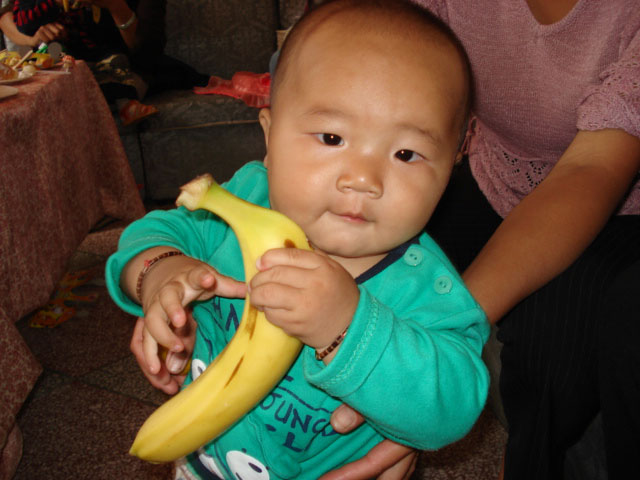
The Zhangs’ healthy son.
A Mother’s Hope
Dr. Gao Liping, the Zhangs’ obstetrician, reassured Mrs. Zhang that with timely treatment she could live a long life and likely deliver a healthy baby. Stigma associated with HIV still troubles the family, and they prefer not to be photographed here. But the Zhangs are happy to show off their pride and joy—their eight-month old son.A Doctor’s Passion
A Selfless Calling
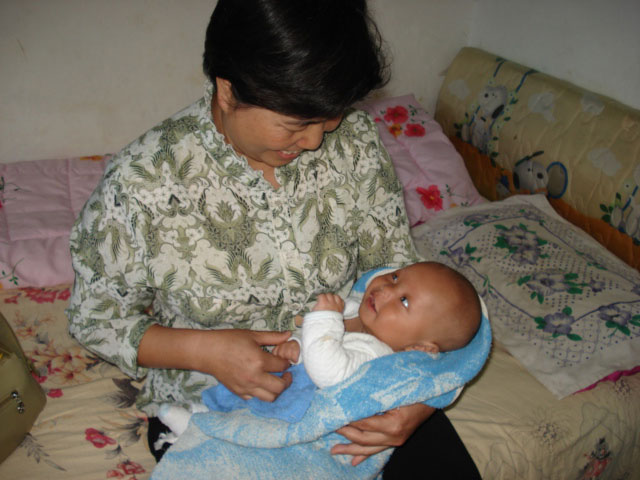
Dr. Gao Liping.
Destinies Changed
Of the nearly 500 infected women Dr. Gao Liping and other project colleagues have treated, just three mothers delivered HIV+ babies. The China AIDS Initiative gives technical and financial support that enables Dr. Gao and other dedicated professionals to provide pMTCT interventions at the highest standards of care. Now Mrs. Zhang laughs, and cries, knowing her son will live out his destiny. Dr. Gao wipes tears away as well, and attends to her next patient. Such joy and sadness are often joined in her work.What We Do
Raising Clinical and Diagnostic Standards

Dr. Gui Xi’en, Director of the Central China pMTCT Program, reviewing patient charts with junior colleagues.
Training Village, Township, and County Doctors
Village, township, and county doctors are being trained to provide HIV services including counseling, testing, antiretroviral therapy for the mother and baby, c-section if indicated, and reliable supply of formula for replacement feeding.Counseling and Care
Psychological support is provided to HIV+ women and their families in monthly group meetings facilitated by trained counselors. Women join the group during their pregnancy and continue to participate after their babies are born. The group allows women to share their hardships, worries, hopes and joys in a mutually supportive environment.Another focus is on keeping HIV-negative women negative through counseling and education, to build awareness of risk and teach methods and skills to reduce it.
Future of the pMTCT Program
These gratifying results are comparable to those realized in large urban centers in the developed world. CAI has successfully built a pMTCT model in rural Yunnan, and now plans to scale up these methodologies to other parts of China affected by the epidemic. As important, the Chinese national guidelines for pMTCT have recently been changed to recommend many of the interventions that we have championed, including integrated screening for Hepatitis B, syphilis, and HIV and combination antiretroviral therapy for all HIV-infected pregnant women.With scale up efforts underway, CAI's pMTCT sites in Yunnan are reaching about 60% of the total number of HIV+ pregnant women in the province. If additional resources can be secured, CAI will expand the program’s geographic coverage to an additional nine counties, thereby enabling more women to enroll. Specific goals include:
Please see the February 2010 Journal of AIDS for a detailed analysis of CAI’s pMTCT program.
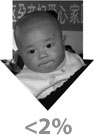
The China AIDS Initiative is helping China reduce Mother To Child Transmission of HIV from 33% to <2% in regions stricken by the epidemic.
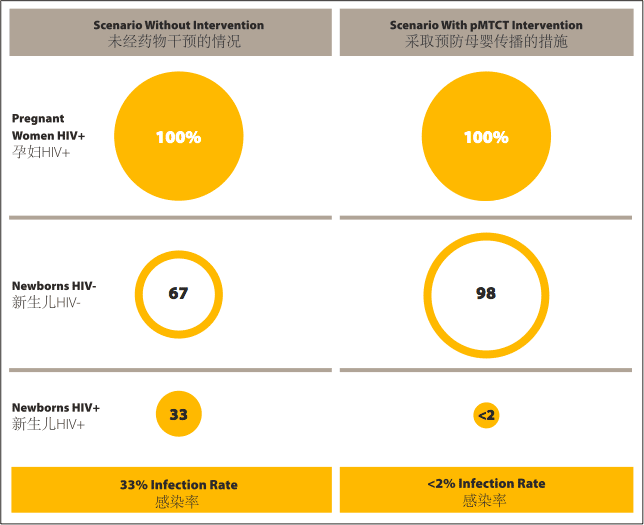
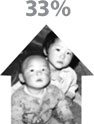
Of the 33 million people living with HIV worldwide, 2.1 million are children. The virus is passed in utero, during delivery or while breastfeeding at an alarming 33% rate in untreated pregnancies.
预防HIV母婴传播
我们的使命
我们的使命
消除中国儿童感染艾滋病
受预防母婴传播项目保护的婴儿庆一岁生日
中国艾滋病防治行动开展综合的预防母婴传播项目,与当地的卫生机构合作,在中国艾滋病感染率最高的地区云南省提供治疗、关怀和社会支持服务。中国艾滋病防治行动携带海外各界慈善家和朋友提供的资金,同云南蓝天艾滋病防治中心的周曾全医生合作,进行各种检测和治疗干预。

迄今为止,超过490名阳性妇女已进入了该项目的护理治疗。经过对孕妇早期实行有效地抗病毒药物治疗,只有三个新生儿感染了艾滋病毒,感染率<1 %。如果没有药物治疗干预,由母亲传染给儿童的传输率大约是33%。
家庭的故事
当艾滋病毒侵袭的时刻
张家健康的儿子。
母亲的心声
妇产科医生高丽萍抚慰张女士,如果及时配合治疗可能会生活很多年并生下健康的婴儿。因HIV的社会歧视仍然很重,张家不愿暴露全家的状况,但很高兴呈现他们八个月大的宝贝儿子的相片。医生的热诚
辛勤的奉献
高丽萍医生
命运的改变
高医生治疗的近五百个被传染的孕妇中,只有三名婴儿出生时携带艾滋病毒。中国艾滋病防治行动提供的技术和资金支持,使高医生能以最高的治疗标准实施阻断母婴传播。张女士目前常情不自禁地微笑、感动地哭泣,她知道高医生改变了未出生孩子们的命运。这样悲喜交加的故事时时发生,高医生坚毅地擦干眼泪,重先面对新的病人。我们做什么
提高临床诊断标准
桂希恩医生,华中预防母婴传播计划主任,与年轻的同事审查病人图表。
培训乡村,区镇和县的医生
对村,乡,县医生进行培训,预防艾滋病毒服务,包括咨询,检测,对母亲和婴儿提供抗逆转录病毒疗法,实行剖腹产,供应可靠的婴儿食品替代母乳喂养。心理咨询和护理
由受过训练的辅导医生,每月对HIV阳性妇女家庭提供心理咨询帮助会议,使她们在怀孕期间和婴儿出生后,能在会议上倾诉她们的困难,忧虑以及分享他们的希望和欢乐,分享相互支持的环境。另一个重点是使未感染艾滋病毒的妇女,通过该会议的辅导和现实教育,使人们认识风险和传授预防方法和技巧,以减少感染艾滋病毒。
母婴传播项目的未来
上述效果相当于发展国家在大城市中所达到的标准。中国艾滋病防治行动在云南农村地区已建立了有效的母婴传播模式,并打算普及此方案到其它感染率高的省市。更重要的是,中国国家母婴传播指南最近已改为推荐并采纳我们倡导和实施的孕妇产前艾滋病毒,乙型肝炎和梅毒的综合检查,以及所有艾滋病孕妇接受抗逆转录病毒的综合疗法。现在,我们在云南推广预防艾滋病母婴传播治疗项目,我们的试点诊所筛选的艾滋病孕妇已经达到全省艾滋病孕妇总数的60%。如果有更多的资金来源,中国艾滋病防治行动将再增加9个县,让更多妇女入组。具体目标是:
- 增加入组母婴阻断项目的阳性孕妇数。
- 开展对乡镇和村级医务人员的培训。
- 加强对HIV阳性妇女及其家庭进行社区支持和心理关怀。
- 继续开展项目倡导工作,推广项目的工作模式和经验。
如果想了解母婴传播项目的详细分析,请点击2010 年2月的艾滋病杂志。
在受艾滋病肆略的流行区域,中国艾滋病防治行动协助中国将母婴传播感染率由33%降低到2%.
全球三千三百万HIV感染者中,二百一十万是儿童。如果感染的孕妇不经抗病毒药物干预,病毒就会在怀孕、分娩和哺乳时传染给孩子,比率是33%,令人担忧。